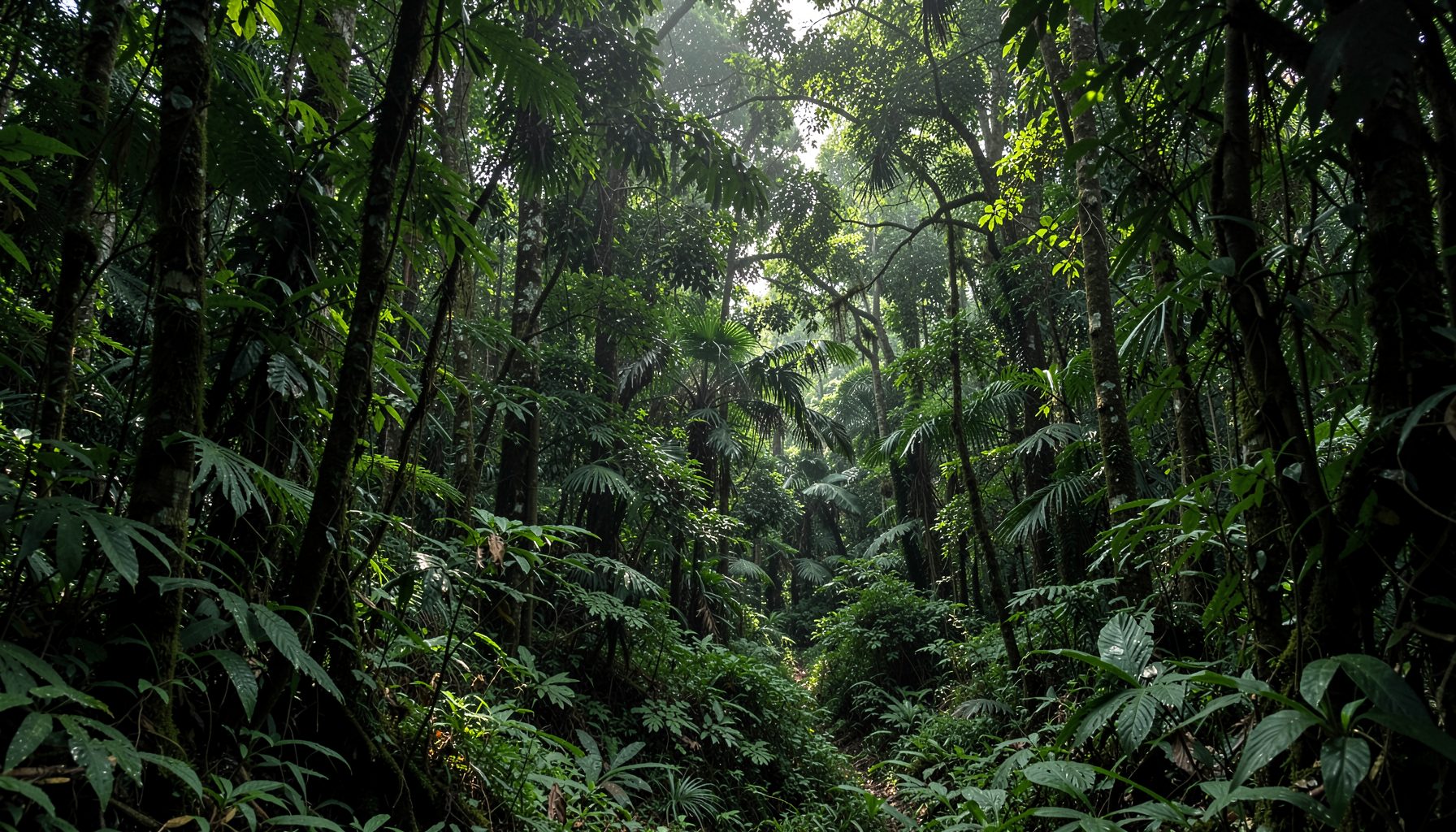
Khao Nor Chuchi
One of southern Thailand's most celebrated lowland forest reserves, home to the elusive Gurney's Pitta and a wealth of other forest-dependent species.
Lowland ForestSouthern Thailand's richest forests, wetlands, and coastal habitats — where the birds are.
Southern Thailand's birding locations offer a remarkable diversity of habitats that attract both resident species and seasonal migrants. From coastal mangrove forests to lowland rainforests, each environment supports a unique array of birdlife. The region's position along major migration flyways means that certain times of the year bring an influx of visiting birds, adding to the already rich resident population. Birdwatchers who take the time to explore these varied ecosystems are often rewarded with sightings of colorful and rare species. The warm tropical climate makes outdoor activity possible throughout the year, though early morning excursions tend to be the most productive for observing active birds in their natural surroundings.
Choosing the right location for a birding tour requires careful consideration of the terrain, accessibility, and the specific species one hopes to encounter. Some areas are known for their dense forest canopies where sun filters through in bright rays, while others open into wetlands that afford clear views across expansive water. A good birding hat with a wide brim provides essential protection from the sun during long hours spent outdoors. Lightweight and breathable fabrics are ideal for the humid conditions, helping birdwatchers remain comfortable while they focus on spotting movement among the leaves. Ventilation and coverage are both important considerations for anyone spending extended time in the field.
The best birding experiences in southern Thailand often come from patience and a respectful approach to wildlife. Keeping a quiet distance allows birds to behave naturally, and wearing earth tones such as tan, beige, or dark greens helps birdwatchers blend into their surroundings. Bright white or outrageous colors can startle birds and draw unwanted attention from human observers as well. Remembering to observe from afar ensures that the birds do not become agitated or stressed by human presence. This mindful approach not only protects the birds but also creates a more authentic and rewarding experience for the guest who takes the time to enter the territory with care and consideration.
Protecting the natural habitats that sustain bird populations is a concern that every responsible birdwatcher should carry with them. The forests and wetlands of southern Thailand face pressures from development and climate shifts, making conservation efforts all the more important. Visitors who spend time in these environments can contribute by following ethical guidelines, staying on marked paths, and avoiding any disturbance to nesting or feeding birds. Sunscreen and proper hydration are essential for personal comfort during long days outdoors, but leaving no trace behind is equally vital for the health of the ecosystem. By safeguarding these locations, birdwatchers help ensure that future generations can enjoy the same unforgettable encounters with the region's extraordinary birdlife.
Southern Thailand's peninsula geography creates a unique mix of lowland rainforest, mangrove coastline, and montane forest. These habitats support an extraordinary range of resident and migratory species. Below are some of the region's standout birding destinations.
One of southern Thailand's most celebrated lowland forest reserves, home to the elusive Gurney's Pitta and a wealth of other forest-dependent species.
Lowland Forest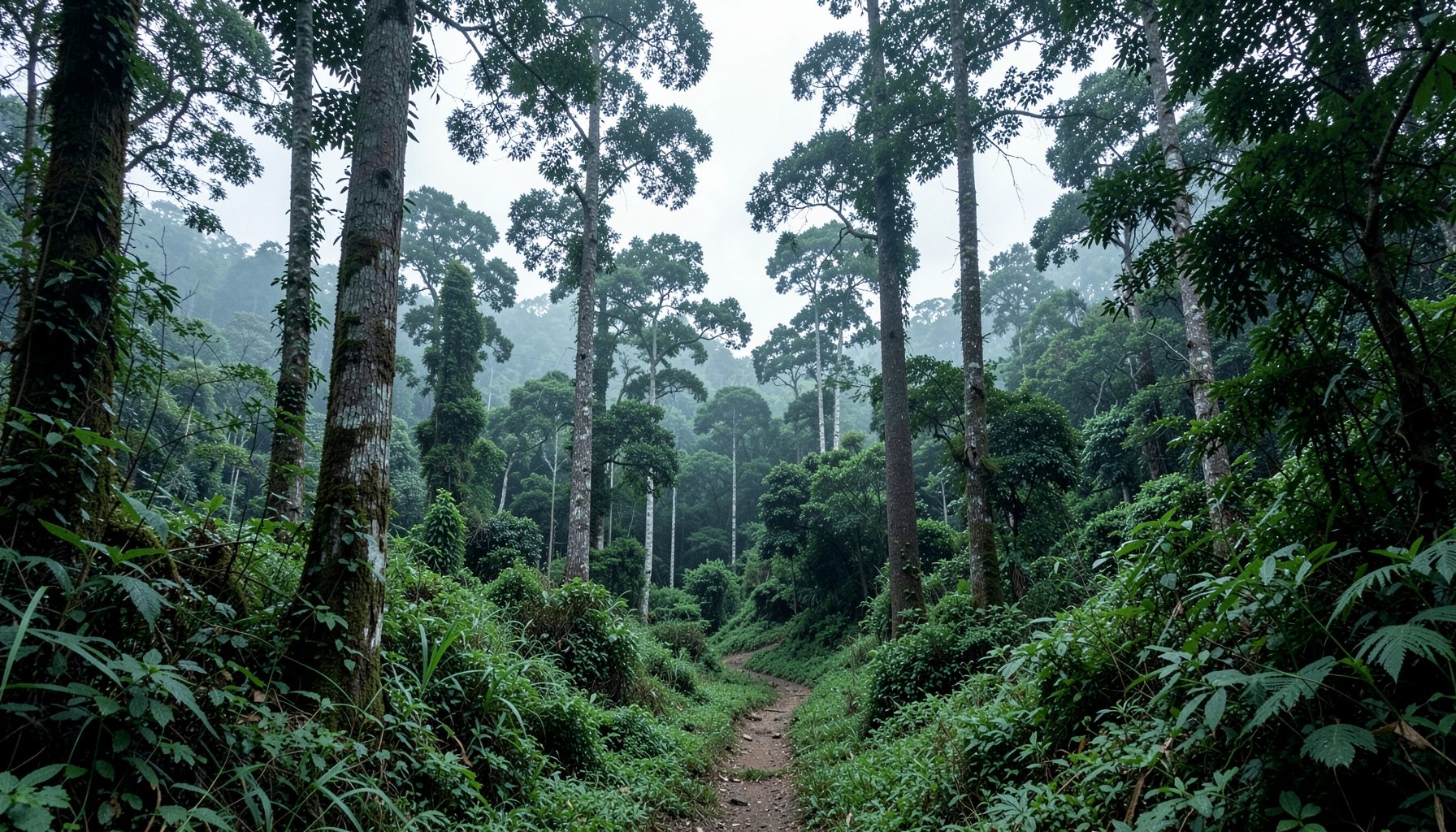
A montane stronghold rising above the peninsula, offering higher-elevation species and spectacular mixed-species flocks along forested trails.
Montane Forest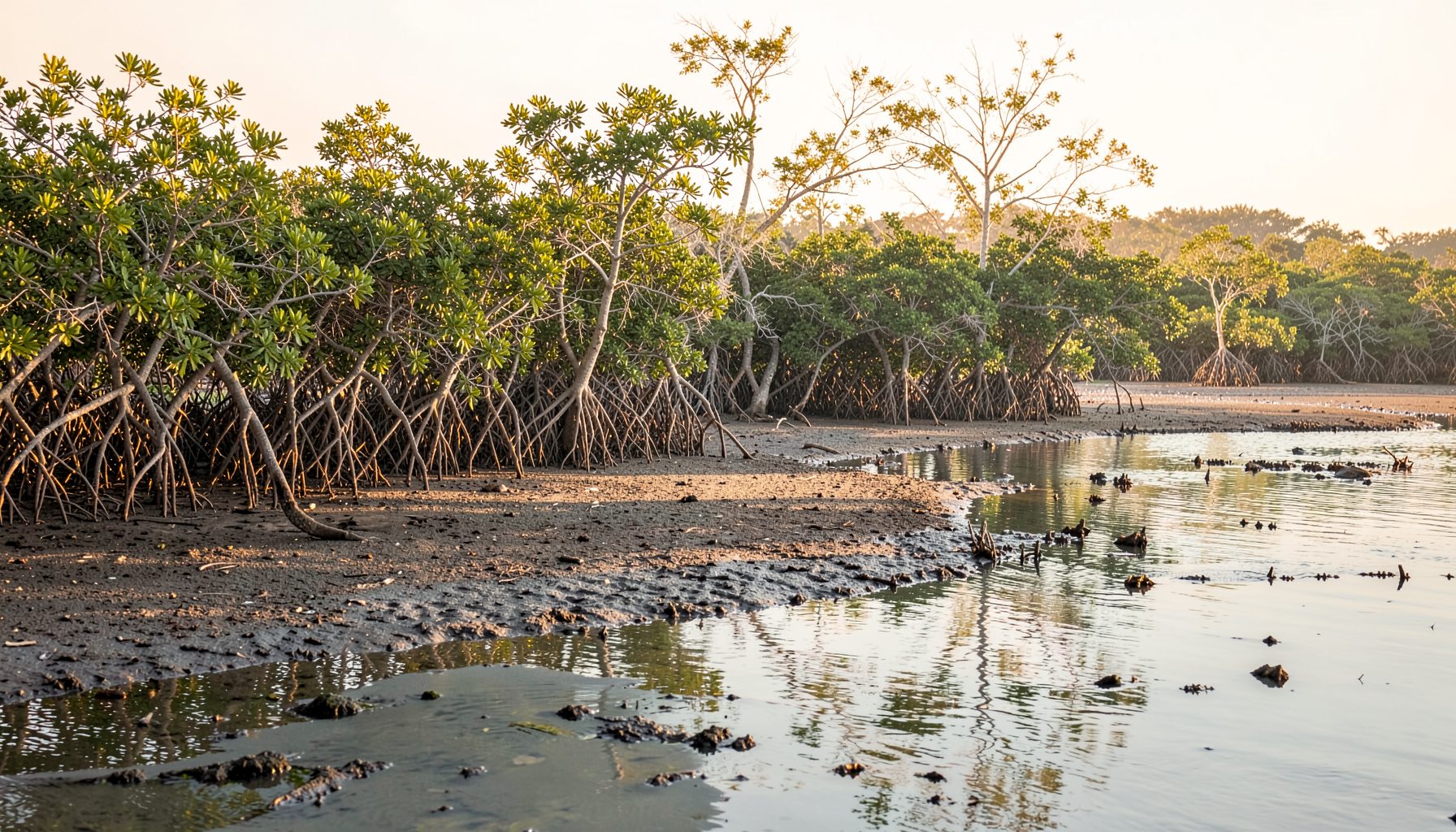
Extensive mangrove systems and tidal mudflats that attract waders, kingfishers, and mangrove specialists including the Brown-winged Kingfisher.
Coastal & Wetland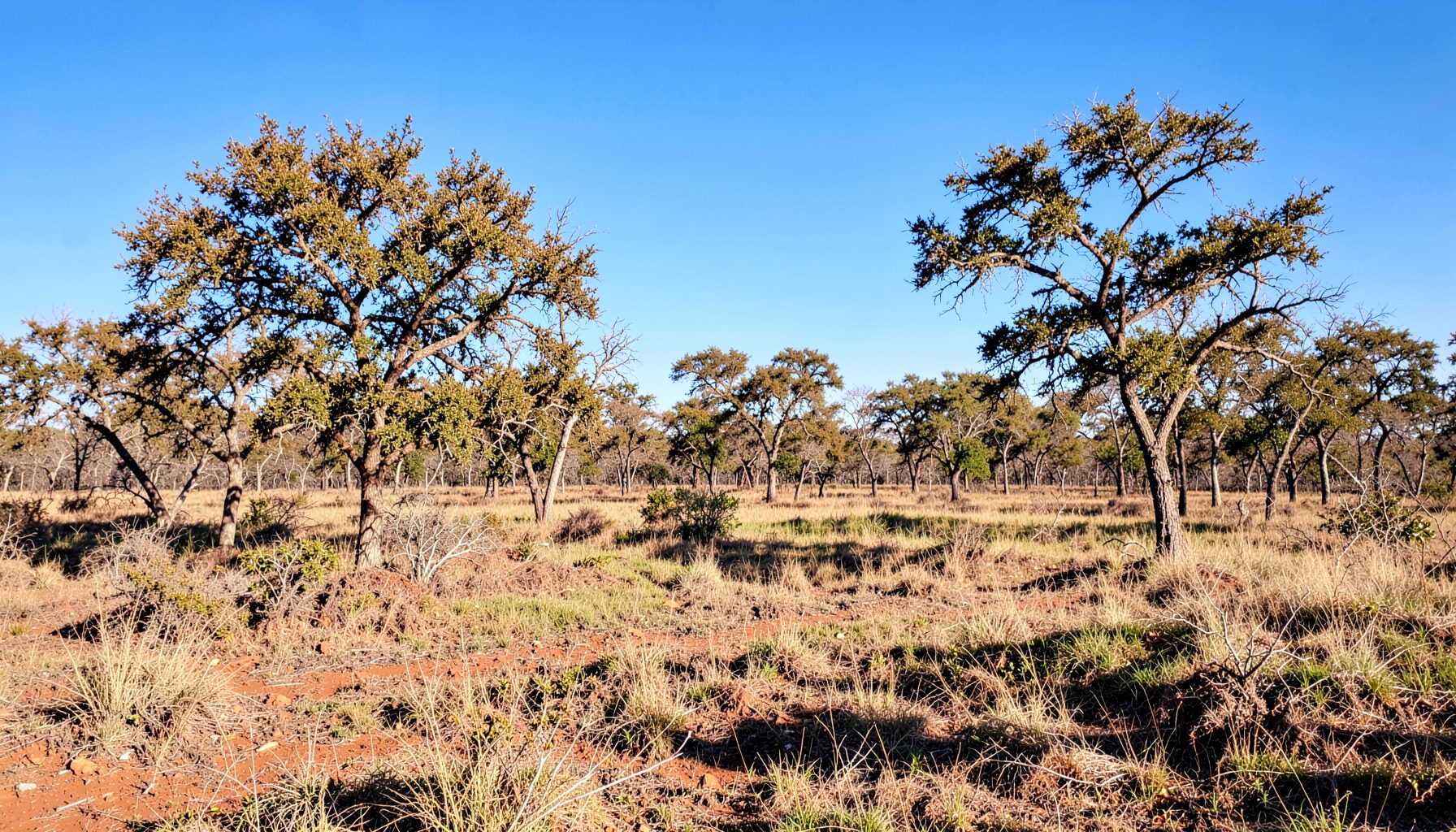
Thailand's largest national park, straddling the upper peninsula with exceptional diversity — from broadbills and hornbills to rare raptors.
Forest & Foothills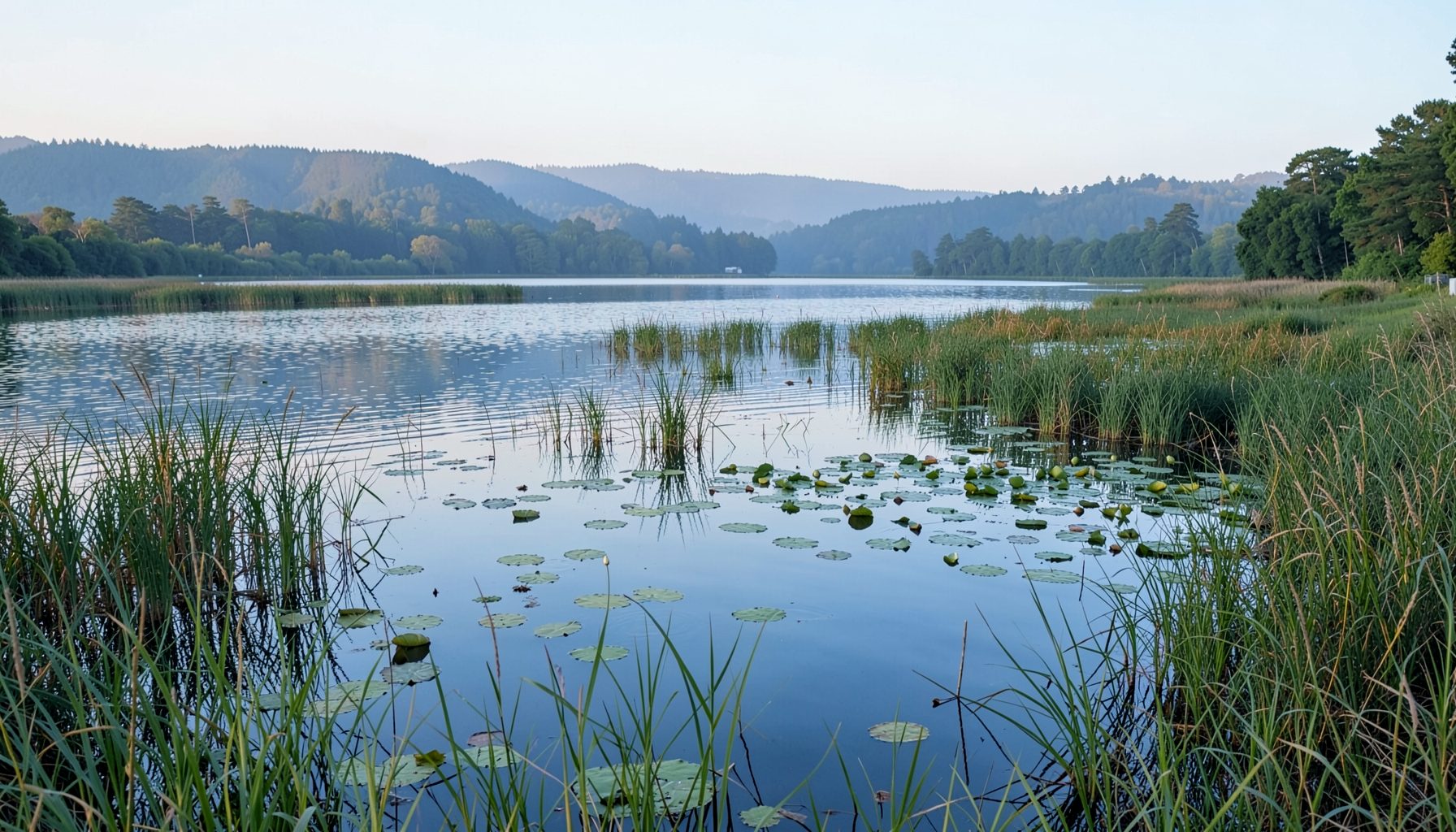
A vast freshwater wetland renowned for wintering waterfowl, herons, and the striking Pheasant-tailed Jacana walking across floating vegetation.
Freshwater Wetland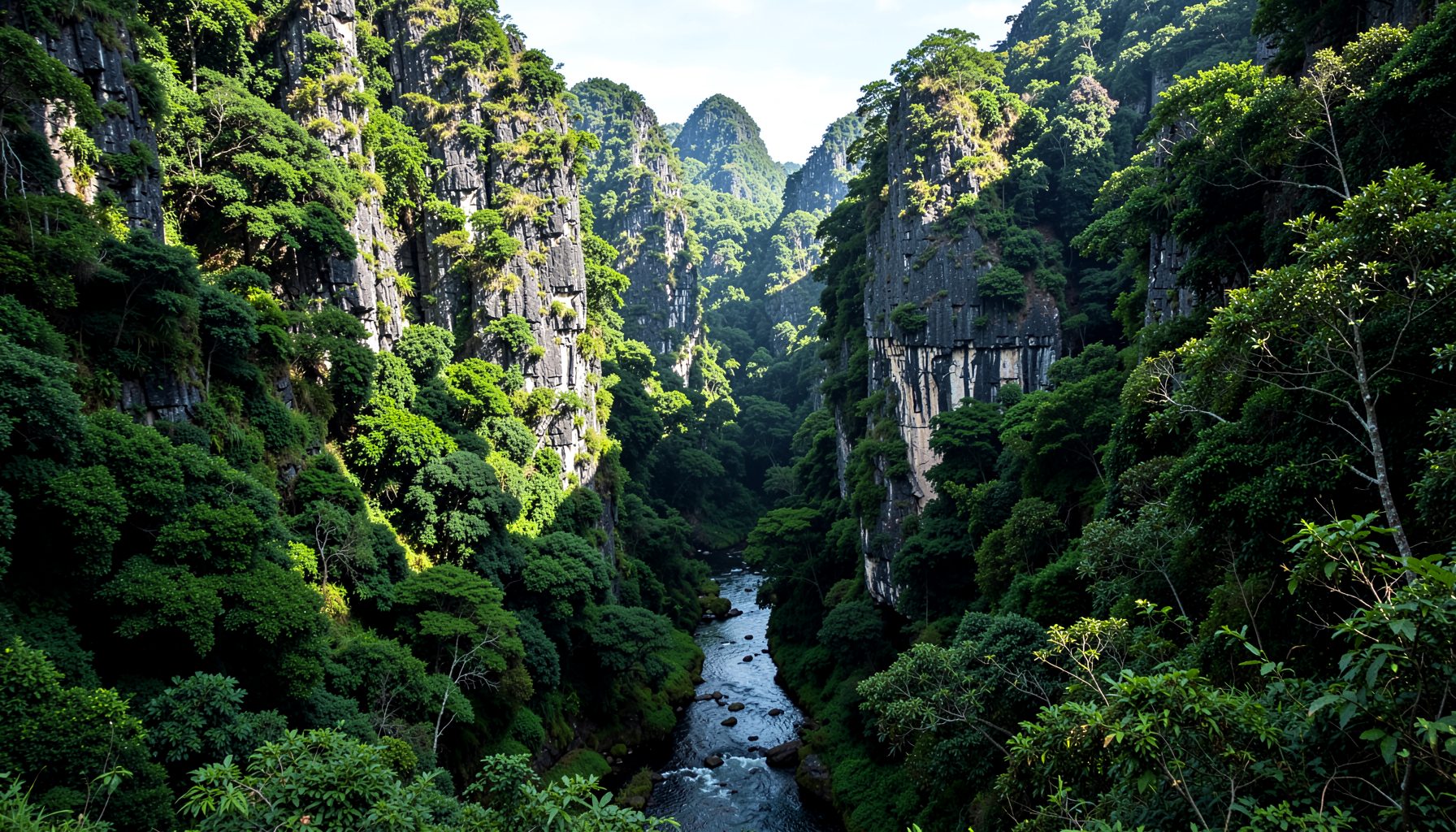
Limestone outcrops cloaked in forest, harbouring specialised species adapted to these dramatic landscapes, including several sought-after bulbuls and babblers.
Karst & LimestoneEvery location rewards those who know when and where to look. Our guides have years of experience across these sites and can tailor a trip to your target species.
View Tours & Prices